Asphalt shingle roof repair in Paradise Valley, AZ almost always starts the same way: you spot a curled edge, a bald patch, or a shingle lying in the yard after a windy night. The next decision, fix it yourself or call a licensed roofer, depends on how big the damage actually is and how it got there. This guide walks through both paths so you can make that call with confidence instead of guesswork.
How to Spot Shingle Damage From the Ground
Most shingle problems show up before they turn into a leak, if you know where to look. A five-minute walk around the property catches the majority of issues a homeowner can see without a ladder.
Look for:
- Missing or lifted shingle tabs
- Curled, cupped, or cracked edges
- Dark, discolored patches (often a sign of granule loss)
- Granules collecting in gutters or flower beds
- Flashing pulling away from chimneys, vents, or skylights
Start With a Safe Visual Sweep
Walk the roofline from the street, then circle through the side yards for a different angle. Ridges, valleys, and areas around roof penetrations tend to show problems first, along with the lower edges where water runs off last. A pair of binoculars lets you check these spots closely without ever setting a ladder against the house.
If you spot something that looks worse than a single shingle, our roof inspection team can confirm the scope before you climb anything.
What Arizona Heat, UV, and Monsoon Damage Actually Looks Like
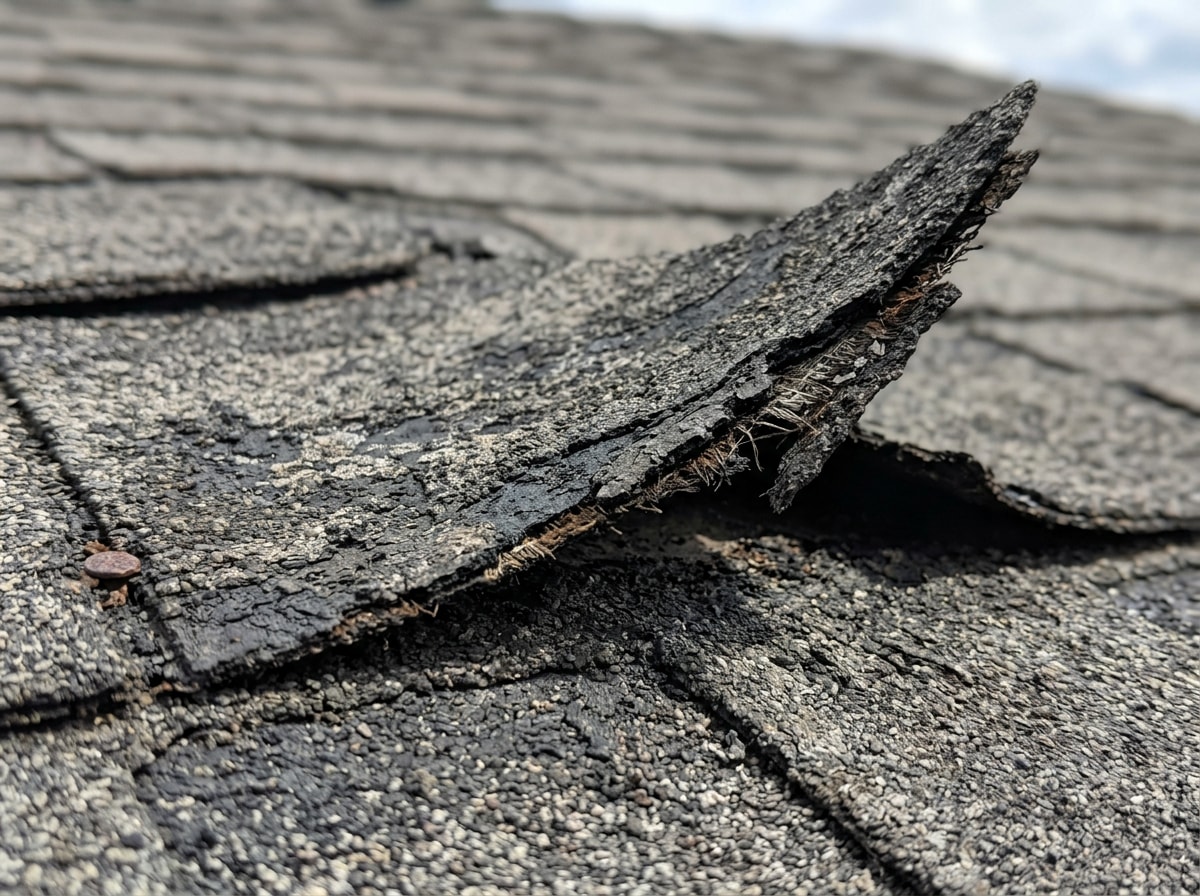
Heat, UV exposure, and monsoon wind each leave a different fingerprint on asphalt shingles. Sustained desert heat typically shows up as curling or cupping. Ongoing UV exposure causes granule loss and a brittle, faded surface over several years.
Monsoon damage looks more sudden: torn tabs, lifted corners, or shingles missing entirely after a single storm. The National Weather Service Phoenix monsoon safety page notes that thunderstorm wind gusts in the Southwest almost always exceed 40 mph, and gusts between 40 and 60 mph are common during a typical monsoon event. That's well within the range that lifts and loosens asphalt shingle tabs, especially on roof sections facing prevailing storm winds. If a storm has rolled through recently, our storm and wind damage repair crews can check for wind-driven damage that isn't visible from the ground.
DIY vs. Professional Shingle Repair: What Actually Makes Sense
Small, isolated, easy-to-reach damage is sometimes safe to fix with a basic repair kit. Anything bigger, higher, or tied to an active leak generally is not. Here's how the two options actually compare:
| Factor | DIY Repair | Professional Repair |
|---|---|---|
| Upfront cost | Price of materials only (often $20 to $60) | Labor plus materials, typically $150 to $1,000+ depending on scope |
| Warranty | None | Workmanship warranty from a licensed contractor |
| Hidden damage check | Easy to miss flashing or underlayment issues | Trained eye catches surrounding wear in one visit |
| Risk | Fall risk on a hot, sloped roof | Covered by contractor insurance |
| Time | A few hours, but mistakes mean repeat trips | Usually completed in one visit |
What Belongs in a Basic Repair Kit
If the damage is limited to one or two easily reachable shingles, a basic kit usually includes:
- A flat pry bar
- Roofing nails
- A few replacement shingles matched to your existing color and profile
- Roofing sealant
- A stable ladder rated for the job
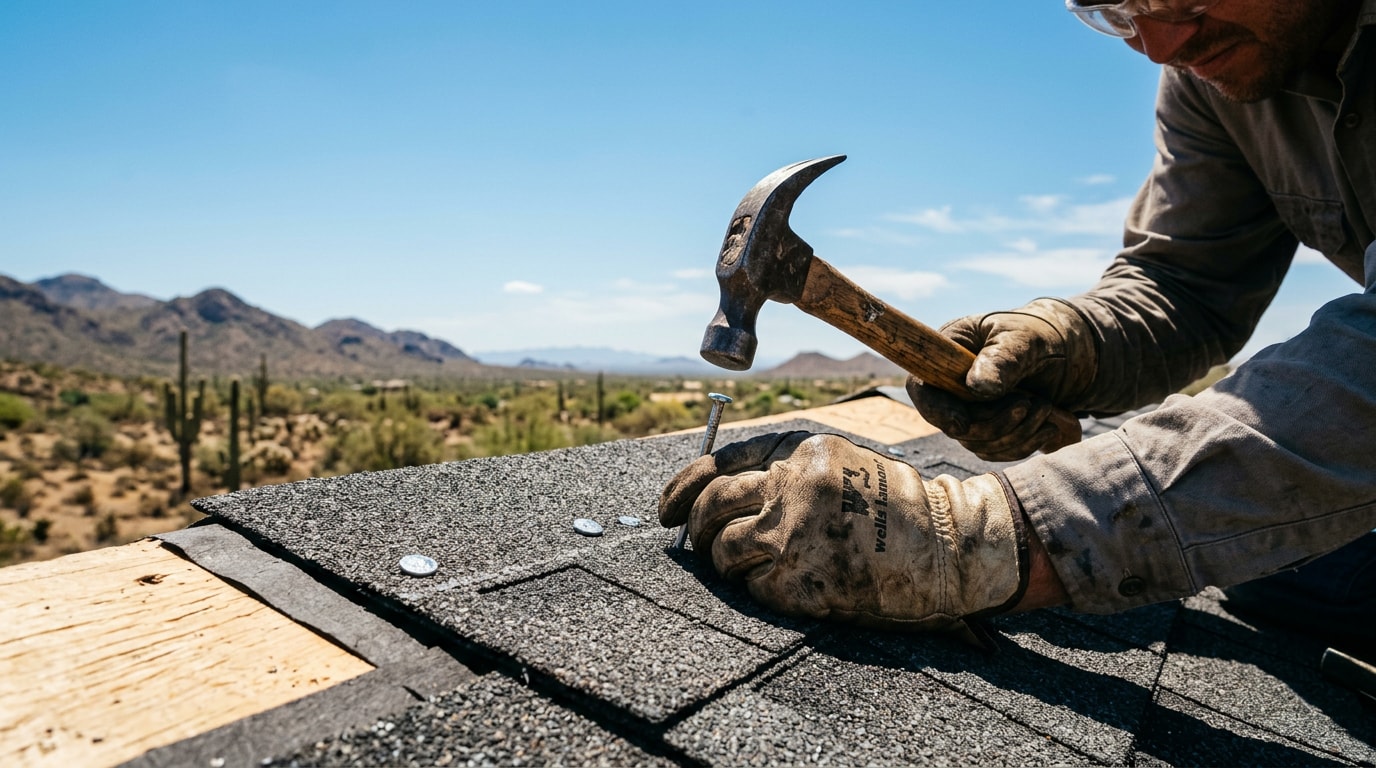
How to Replace a Single Damaged Shingle
- Lift the surrounding shingles with a pry bar to expose the nails underneath.
- Remove the nails and pull out the damaged shingle.
- Slide the new shingle into place, matching the existing pattern.
- Secure it with roofing nails in the manufacturer-recommended spots.
- Seal the edges and nail heads with roofing sealant.
This sounds simple on paper, but precise nail placement and clean tab alignment are what separate a repair that lasts from one that lifts again in the next windstorm.
Where Small Repairs Go Wrong
Common mistakes that turn a quick fix into a bigger problem:
- Nailing too high or too low on the shingle
- Over-applying sealant in ways that trap moisture underneath
- Missing flashing damage hidden beneath the shingle
- Climbing a hot, sloped roof without proper footing or fall protection
That last point matters more than most homeowners expect. OSHA's guidance for roofing workers states plainly that falls are the leading cause of injuries and deaths among roofers, and working six feet or more above lower ground is enough to put anyone at serious risk. A hot asphalt shingle roof is not a forgiving place to learn ladder safety, and that risk alone often outweighs any savings on a small repair.
When to Call a Professional Instead of Climbing a Ladder
A few situations call for a licensed roofer right away, not a weekend project.
Storm Damage Is Rarely Just One Shingle
A monsoon event often looks like it only cost you one missing shingle from the ground. In reality, wind-driven storms tend to lift and loosen shingles across a wider area than what's visible. A full inspection after a monsoon event catches problems before the next storm makes them worse.
Leaks and Steep Access Change the Decision Fast
Any active roof leak, along with steep roof access or a high-pitch section, is a hard stop for DIY work. Both raise the safety risk and the chance that water damage spreads into the attic before anyone notices. If you're dealing with an active leak or storm-exposed roof deck right now, emergency roof tarping can buy time until repairs are scheduled, and our leak repair services team can stop water damage before it spreads into the attic.
What a Professional Roof Inspection Covers
A thorough shingle roof inspection checks three areas, not just the one visible problem spot:
- Roof surface, cracked, slipping, or missing shingles
- Underlayment, the layer beneath the shingles that helps shed water
- Flashing, at every penetration, including chimneys, vents, skylights, and valleys
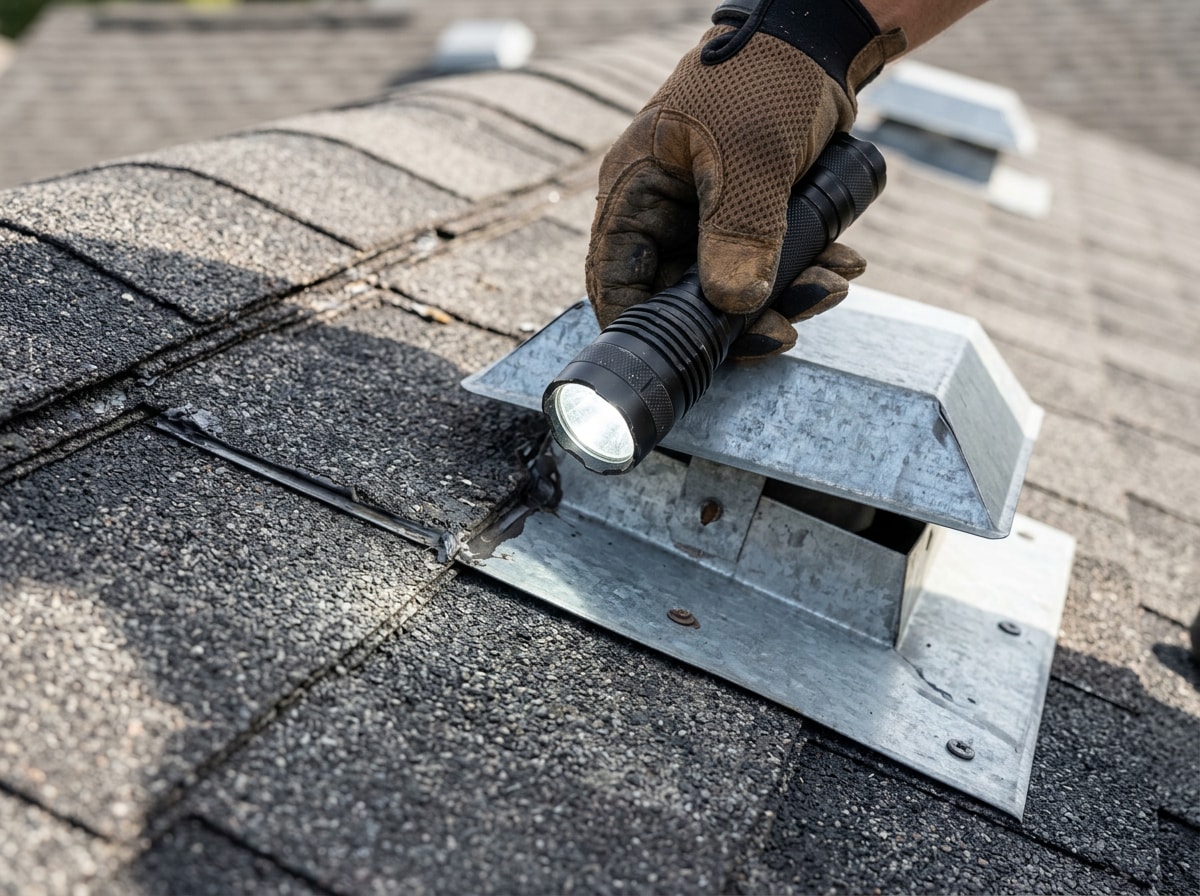
Schedule a professional roof inspection before a small, isolated issue turns into a costly one. You can also browse examples of completed repairs in our project gallery to see what a finished patch should look like.
Asphalt Shingle Roof Repair Cost in Paradise Valley
Repair pricing scales with how much of the roof is affected, not just the material. Nationally, industry pricing surveys put basic asphalt shingle repairs into roughly three tiers:
| Repair Scope | Typical Cost Range |
|---|---|
| A few missing or damaged shingles | $150 – $400 |
| Patch repair or localized flashing fix | $350 – $1,000 |
| Extensive storm damage or multiple sections | $1,000 – $3,000+ |
These are general ranges, not a Paradise Valley-specific quote. Roof pitch, shingle age, and how easily matching shingles can be sourced all move the number up or down. The only reliable way to budget is a written estimate from a local roofer who has actually looked at your roof. Contact us to schedule a free inspection and get that number for your home.
Why Asphalt Shingles Still Work in Paradise Valley's Climate
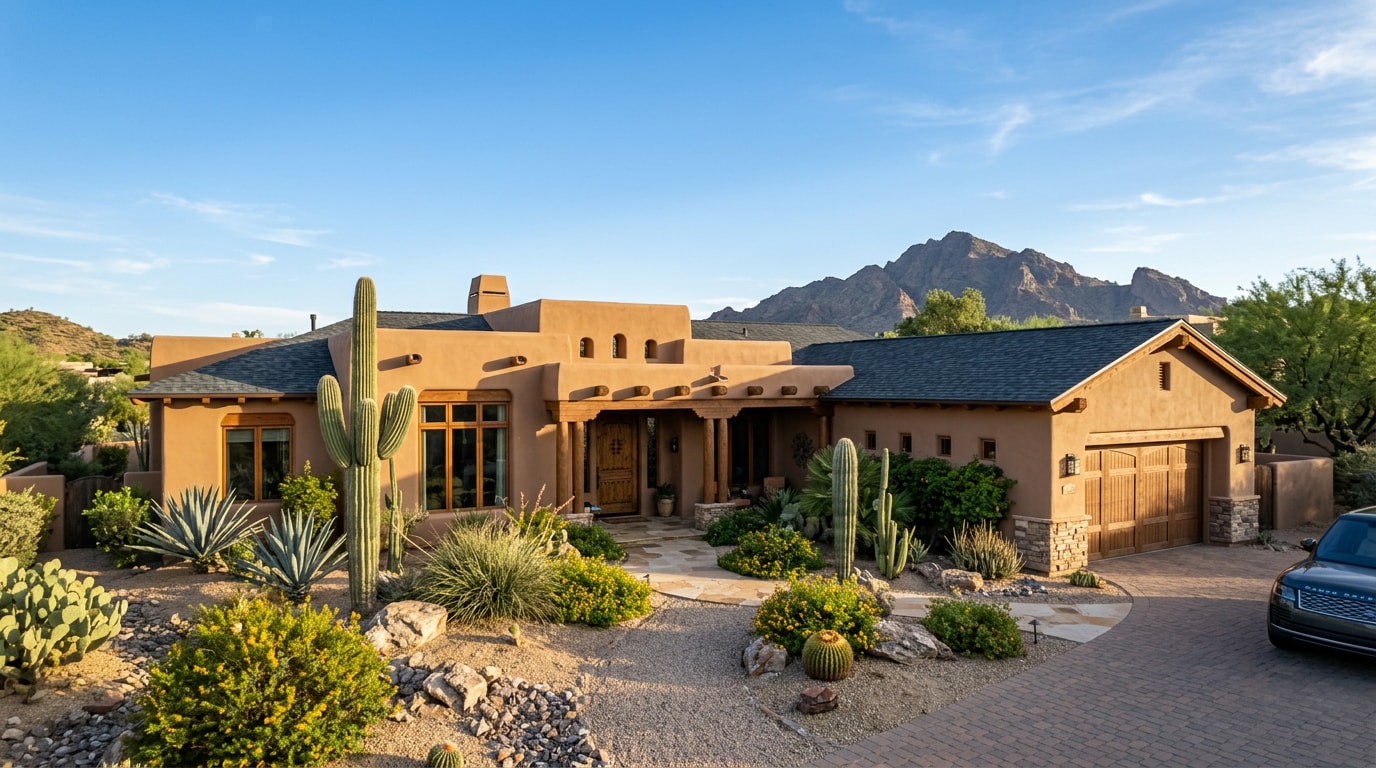
Asphalt shingles remain popular for good reason: they're affordable, come in a wide range of styles, and hold up reasonably well against sun and wind when properly maintained. Many newer products use reflective granules designed to bounce heat away from the roof deck, which matters in a climate where surface temperatures regularly spike. The U.S. Department of Energy notes that cool roofing products can stay significantly cooler than traditional dark roofing during summer months, a real advantage for attic temperatures in Paradise Valley.
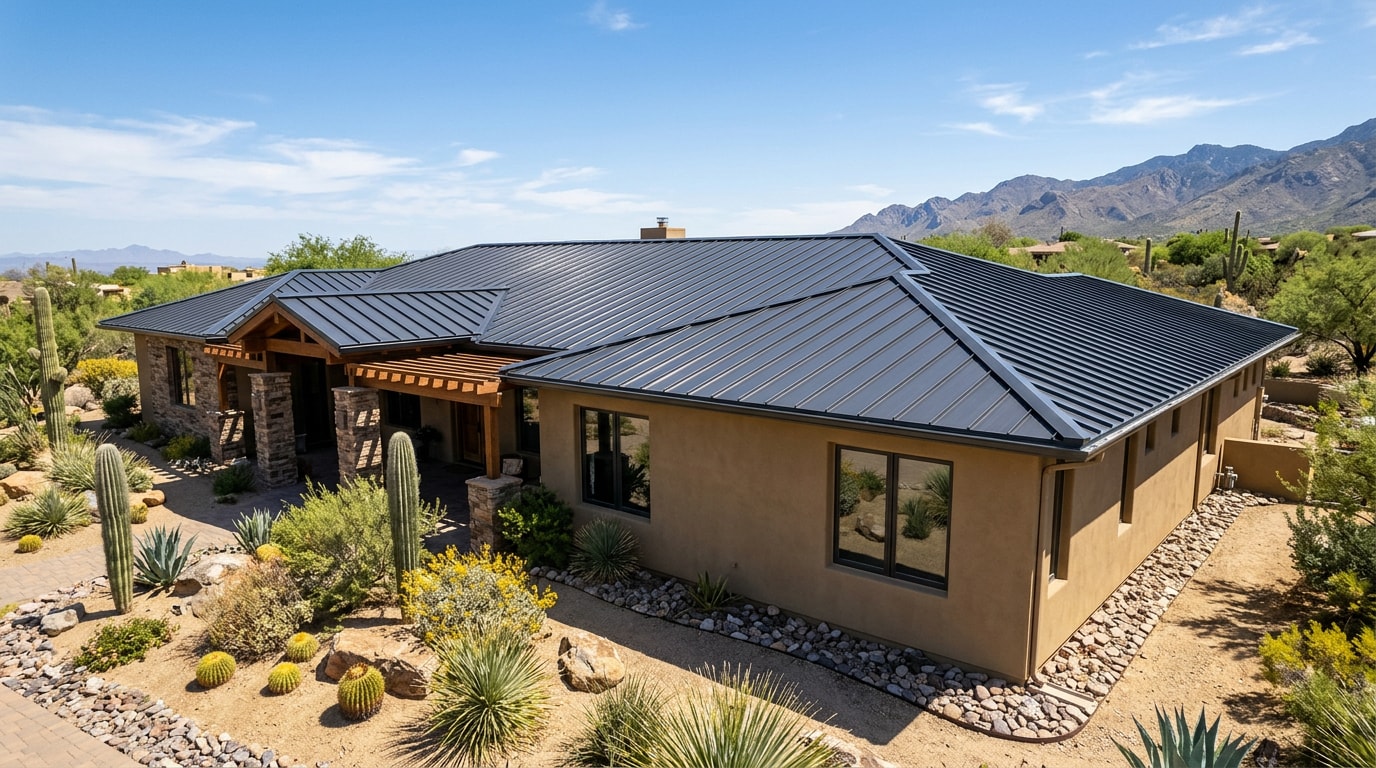
Because shingle damage is usually isolated to a few sections, repairs rarely require a full reroof. If you're weighing asphalt shingles against architectural shingles or another material for a future project, it helps to compare options before committing. Homeowners in the area considering alternatives can also see how metal roofing performs in Paradise Valley's climate before deciding what to install next.
A Simple Maintenance Plan for Your Arizona Roof
A practical maintenance routine doesn't need to be complicated:
- Walk the roofline from the ground each spring and again right after monsoon season.
- Clear gutters and downspouts so water drains away from the roofline instead of pooling.
- Check flashing around chimneys and vents annually for lifting or gaps.
- Book a professional inspection once a year to catch what isn't visible from the yard.
Homeowners across our Paradise Valley service area can typically get an annual check scheduled within a few days, and ongoing roof maintenance plans catch small issues before they become expensive ones.
In our experience working on shingle roofs throughout the Valley, the homes that go the longest between full replacements are almost always the ones that caught small repairs early, not the ones that waited for a leak to force the issue.
FAQ
How Long Does an Asphalt Shingle Roof Last in Paradise Valley?
Asphalt shingles are generally rated for 15 to 25 years when properly ventilated and installed. In Paradise Valley's intense heat, that lifespan can run toward the shorter end in practice, which is why annual inspections are worth the time.
How Much Does Asphalt Shingle Roof Repair Cost?
Most basic repairs fall between $150 and $1,000, depending on how many shingles are affected and whether flashing needs work too. Extensive storm damage can push costs to $3,000 or more. A written estimate is the only way to get an exact number for your roof.
How Long Does It Take to Repair an Asphalt Shingle Roof?
A small, localized shingle repair often takes just a few hours in a single visit. Larger sections or storm-related repairs can take one to two days, depending on material availability and crew scheduling.
Can You Repair Just One Section of a Shingle Roof?
Yes. Partial repair is often possible when damage is confined to one area and the rest of the roof is structurally sound. That said, matching older, sun-faded shingles and checking surrounding wear should happen before assuming a sectional repair is enough.
Is It Safe to Repair Asphalt Shingles Myself?
Small, ground-level-visible repairs on a low-pitch roof can be reasonably safe with the right kit and a stable ladder. Steep pitches, active leaks, or storm-wide damage call for a licensed roofer, since fall risk on a sloped roof is real and well documented by workplace safety data.
How Do I Know If I Need a Repair or a Full Replacement?
If damage is isolated to a few shingles and the underlayment and decking are sound, a repair is usually enough. Widespread granule loss, multiple leak points, or a roof already near the end of its expected lifespan are signs it's time to talk replacement instead. Our roof replacement team can walk through that comparison for your specific roof.
Ready to get your roof checked out? Schedule a free inspection with our team, or visit our homepage to see the full range of roofing services we provide across Paradise Valley and the surrounding Valley communities.