Greenhouse roofing in Fountain Hills, AZ has to survive roughly 300 sunny days a year, triple-digit summer afternoons, and sudden monsoon gusts, often in the same week. The glazing you choose decides whether your tomatoes scorch by July or your frame cracks the first time hail rolls through. This guide compares glass, fiberglass, and polycarbonate side by side so you can match the roof to the climate instead of the other way around.
Quick Answer: Best Greenhouse Roofing Material for Fountain Hills
Multiwall polycarbonate is the best all-around pick for most Fountain Hills growers. Glass and hybrid designs still make sense for anyone prioritizing a showcase look over raw performance.
- Light transmission: Clear polycarbonate and glass both transmit close to 90% of available light. With Fountain Hills averaging a summer UV index around 8, diffused or tinted panels are often the smarter call so plants don't scorch under direct glare.
- Impact resistance: Polycarbonate holds up to hail, flying debris, and monsoon wind far better than single-pane glass.
- Insulation: Multiwall polycarbonate's trapped air layers reduce heat transfer more than a single pane of glass, which matters on the cool desert nights that follow hot days.
- Weight: Lighter glazing cuts the structural framing a build needs, which can lower installation costs.
| Material | Light Transmission | Impact Resistance | Insulation (U-value, approx.)* | Typical Lifespan | Best For |
|---|---|---|---|---|---|
| Single-pane glass | ~90% | Low, shatters on impact | ~6.2 W/m²K | 20+ years if unbroken | Showcase greenhouses, sunrooms |
| Corrugated fiberglass | ~85-90% new, fades with age | Moderate | ~5.7 W/m²K | 10-15+ years with resealing | Budget hoop houses |
| Single-wall polycarbonate | ~90% | High | ~6.2-6.8 W/m²K | 8-12 years | Hobby kits, light shade needs |
| Multiwall (double-wall) polycarbonate | 65-83%, diffused | Highest | ~3.2-3.6 W/m²K | 15-20+ years, UV-coated | Year-round desert growing |
*U-values reflect approximate figures published in the ASAE/ASABE greenhouse engineering standard maintained by the University of Arizona's Controlled Environment Agriculture Center; lower numbers mean better insulation.
How Fountain Hills' Desert Climate Changes the Calculus
In a cloudy, temperate climate, the "best" glazing is often whatever lets in the most light. Fountain Hills flips that priority.
The University of Arizona Cooperative Extension notes that most of Arizona is simply too hot to rely on vents and shade cloth alone to keep a growing space cool through the summer. That single fact should drive your glazing decision as much as your budget does.
Intense UV, hot afternoons, cool nights, and wind-driven monsoon dust all push the right choice toward materials that resist degradation and manage heat, not just whatever looks clearest in a showroom. Keep that desert-specific lens in mind as you read through the options below.
Glass Roofing
Glass has long been the default greenhouse glazing because nothing else matches its clarity. It's a common choice for permanent greenhouses, sunrooms, and solariums where appearance matters as much as function.
The tradeoffs are real, though:
- Highest upfront material cost of the options covered here
- Requires sturdy, often expensive framing to support its weight
- Insulates noticeably worse than fiberglass or polycarbonate, which can mean higher energy costs to offset Fountain Hills' big day-to-night temperature swings
Tempered glass has replaced older single-pane glass as the standard safer option, and it's worth specifying by name if you go this route. Tempered glass is heat-treated to be stronger and thicker, so if it does fail, it breaks into small, relatively dull pieces instead of dangerous shards.
Beyond safety, glass still offers the best natural light transmission and clearest view of any glazing option, which is why it stays popular for greenhouses attached to living spaces where looks matter.
Fiberglass Roofing
Fiberglass panels offer a more affordable alternative to tempered glass, and a well-maintained fiberglass roof can hold up well over a decade on a permanent greenhouse. Because fiberglass weighs less than glass, it also avoids the need for heavy-duty framing, a real cost advantage on larger structures.
The downsides matter in a desert climate:
- Dirt, dust, and UV exposure gradually dull the surface, cutting light transmission unless panels are cleaned and resealed on a schedule
- Cutting or drilling fiberglass releases sharp glass fibers that irritate skin, eyes, and lungs, so repairs call for gloves, eye protection, and a respirator, not a casual DIY afternoon
For budget-conscious growers who still want decent long-term durability, fiberglass sits in a reasonable middle ground.
Polycarbonate Greenhouse Roofing Sheets
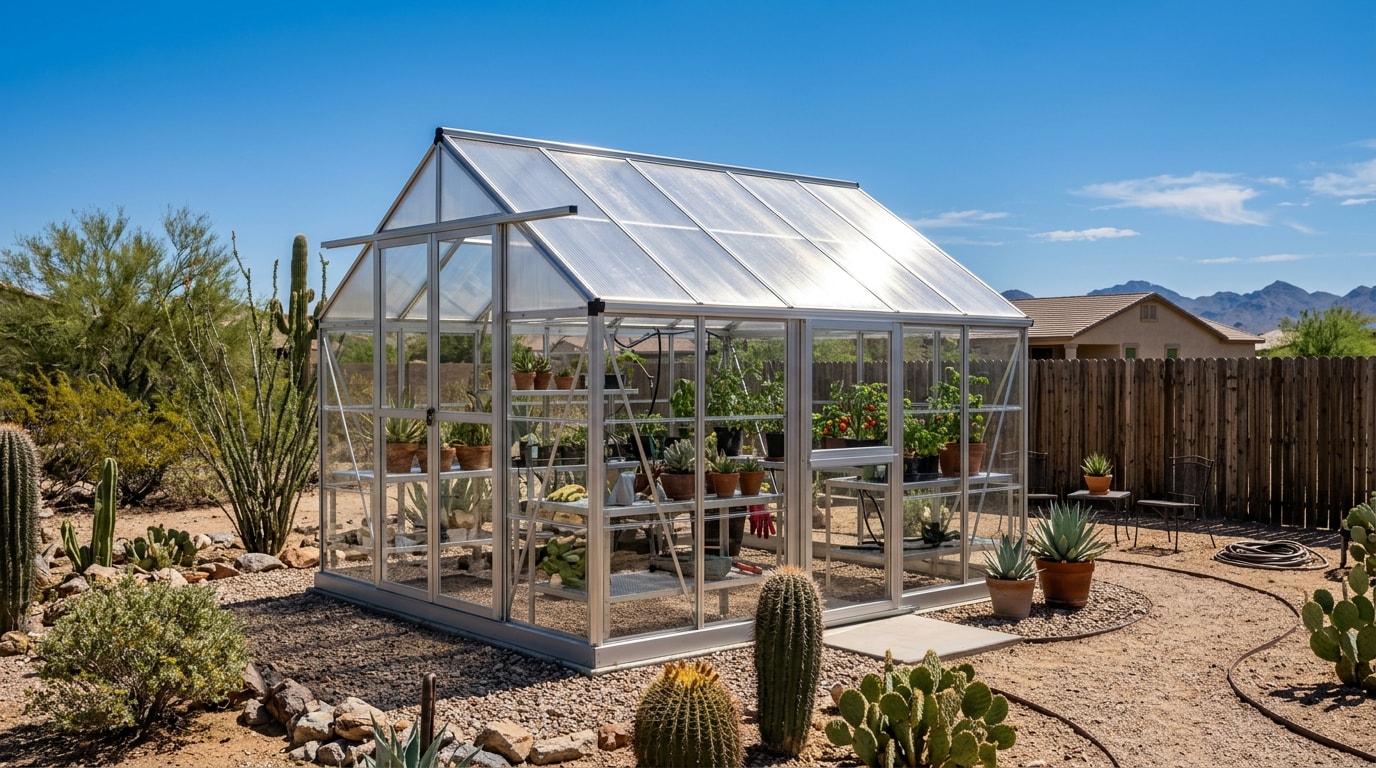
Polycarbonate panels are lightweight, impact-resistant sheets made from tough polycarbonate resin. They let in abundant light while protecting plants from wind, hail, and UV damage, and they've largely replaced glass and acrylic in modern greenhouse construction.
These panels typically hold up for close to a decade or longer, and their flexibility suits curved, arched, or domed designs that rigid glass can't match. That versatility, paired with lower material and shipping costs, explains why polycarbonate dominates modern greenhouse builds.
Polycarbonate comes in two primary structural formats:
- Single-wall polycarbonate is lightweight, diffuses light well, and costs less upfront, a solid pick for hobby greenhouses.
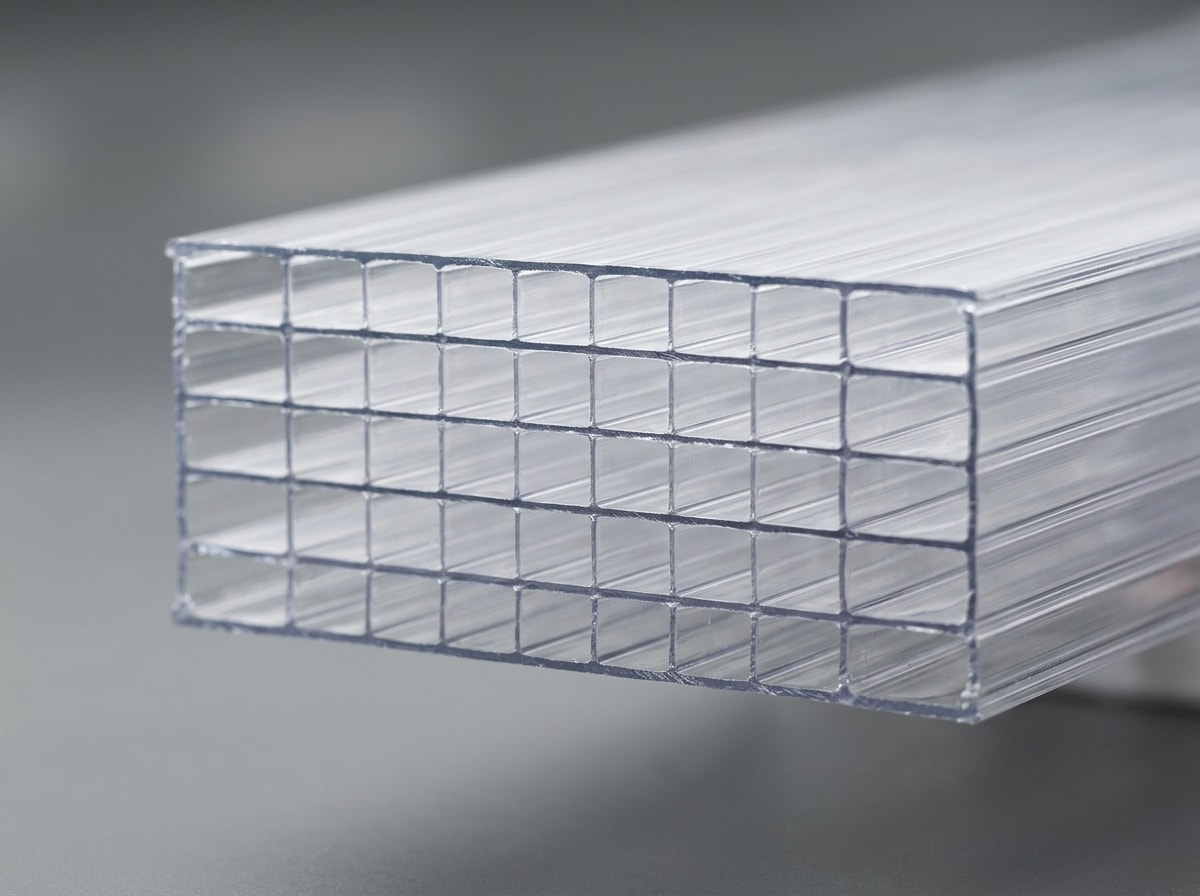
- Double-walled (multiwall) polycarbonate offers noticeably better insulation and rigidity, making it the better fit for year-round growing or extreme temperature swings.
Finish matters too. Clear panels maximize light transmission, opal or diffused panels spread light evenly to reduce hot spots, and tinted panels cut heat gain. In Fountain Hills, where summer afternoons regularly push past 110°F, tinted or diffused polycarbonate is often worth the small trade-off in brightness.
Advantages of Polycarbonate
Polycarbonate is exceptionally strong and durable compared to glass or fiberglass, and it generally delivers the best energy efficiency among the materials covered here. Manufacturer testing cited by SABIC's LEXAN Thermoclear sheet line describes the multiwall structure as providing an outstanding balance of light weight, impact strength, and thermal insulation.
A few specifics worth knowing:
- Optical clarity: Clear panels allow roughly 90% of light through, close to glass, though lower-grade sheets can yellow over years of sun exposure, which is why panel quality matters more than price alone.
- Insulation: Engineering references put single-pane glass at a U-value around 6.2 W/m²K versus roughly 3.2-3.6 for double-wall polycarbonate, a meaningful cut in heat transfer that smooths out the swing between hot desert days and cool nights.
- Weight: At roughly half the weight of glass, polycarbonate ships, handles, and installs more easily, and the lighter load reduces ongoing stress on the greenhouse frame.
Disadvantages of Polycarbonate
Polycarbonate generally has a shorter raw lifespan than glass, and lower-quality panels can degrade or yellow over time, cutting into light transmission. Multiwall construction is also less transparent than a single pane of glass, a visible trade-off for the insulation gained.
One more thing worth watching: if the layered panels aren't properly sealed during installation, algae can grow between the layers, a problem that's hard to fix after the fact and a good reminder that correct installation matters as much as the material itself.
Hybrid Glazing: The Best of Both Worlds
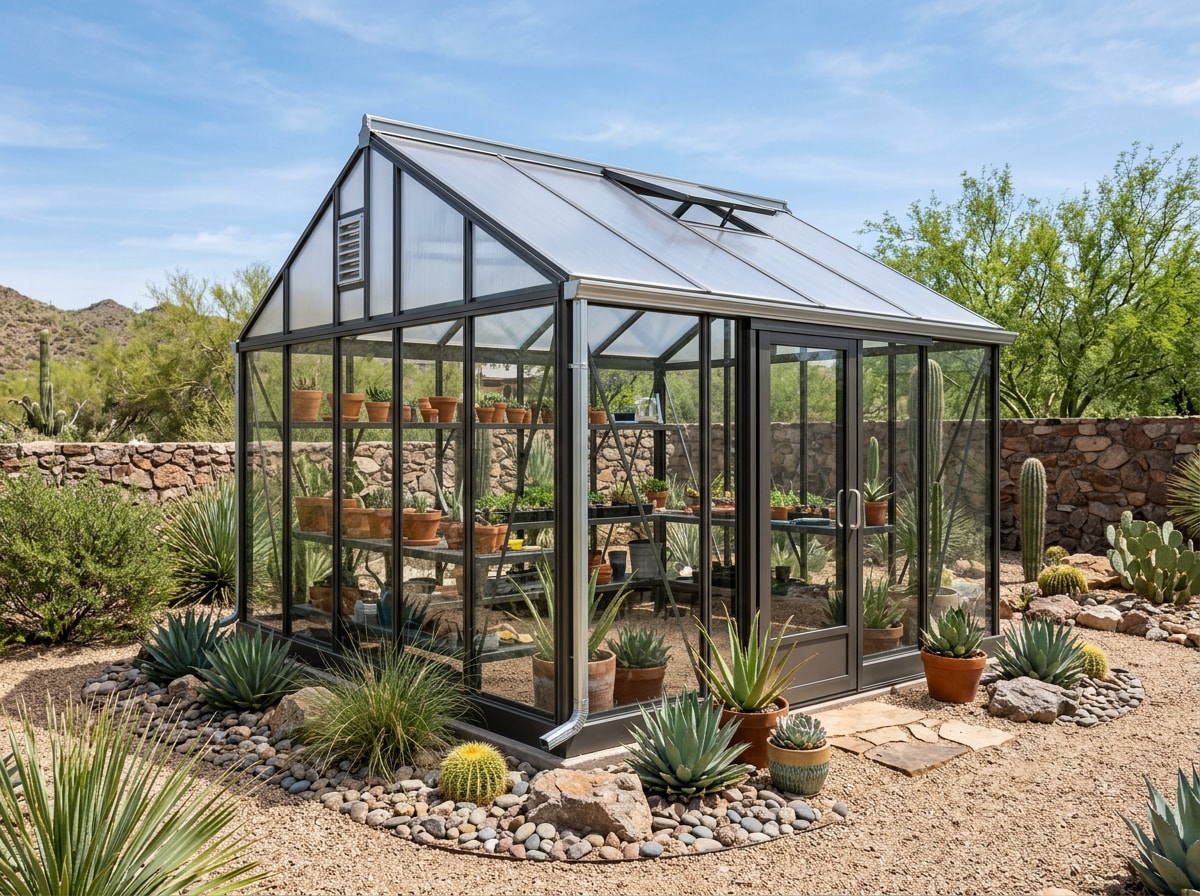
Hybrid glazing combines glass sidewalls with a polycarbonate roof, pairing glass's clear sightlines at eye level with polycarbonate's diffused, even light distribution overhead. It's a practical middle ground for growers who don't want to fully give up the look of glass.
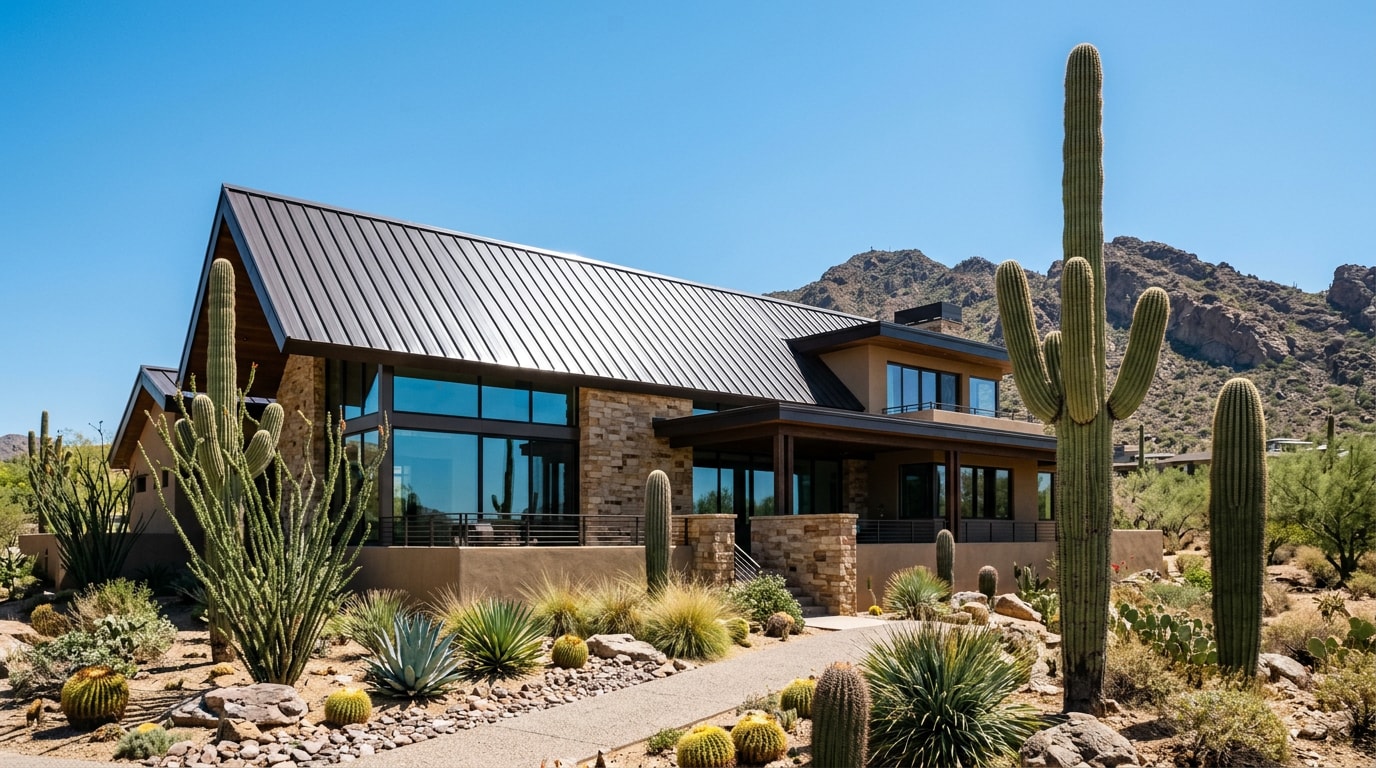
This approach fits particularly well in Fountain Hills, where many homes are built around mountain and desert views. A hybrid design keeps the greenhouse visually in step with an upscale property while a more forgiving roof material handles the punishing overhead sun.
UV Stabilization and Longevity
UV-stabilized polycarbonate resists sun damage through a protective coating or polymer additive built into the panel, preventing the yellowing and clouding that shortens the life of untreated sheets. Manufacturer warranties on treated sheets, including SABIC's own Thermoclear line, commonly run 10 to 15 years against discoloration and loss of light transmission.
That coating is close to mandatory in Fountain Hills. The area sees a summer UV index that regularly reaches 8 or higher, and untreated panels can visibly degrade within just a few seasons. Our crews see the same pattern after two decades of installing skylights, sunroom glazing, and reflective coatings across the Valley: unconditioned clear materials that skip proper UV protection fail faster than anything else on the structure.
Installation Considerations
Polycarbonate installation isn't complicated, but a few details matter:
- Fasten panels with corrosion-resistant screws and washers
- Overlap panels properly to close gaps
- Seal ridges and joints to keep out moisture and dust
- Plan ridge or side vents in from the start to regulate temperature and humidity
Fountain Hills issues its own building permits through the town's Development Services office rather than unincorporated Maricopa County. Even so, Maricopa County's accessory-structure standards illustrate the kind of size and setback thresholds most Valley jurisdictions apply to detached structures, a useful baseline before you call the town to confirm specifics. ENERGY STAR's certification criteria for skylights are also a handy reference point if you're comparing glazing performance ratings across clear roofing products generally.
For anything beyond a small hobby kit, professional installation protects structural integrity, keeps the project code-compliant, and usually preserves manufacturer warranty coverage that a DIY install might void. If you're weighing glazing options against other roofing upgrades for your property, our roofing contractor services page covers the full range of work we handle across the Valley, and our skylight installation team deals with the same clear-glazing sealing and framing challenges every week. Ready to move forward? Schedule a free inspection for greenhouse roofing in Fountain Hills.
Maintenance and Longevity
Polycarbonate maintenance is genuinely minimal. A regular wash with mild soap and water keeps panels clear and prevents dirt or algae buildup, just avoid abrasive cleaners or scrubbers, which can scratch the surface and dull light transmission.
In Fountain Hills specifically, monsoon season deserves its own cleaning pass. Wind-blown dust and debris settle into panel seams and overlaps, and a post-storm rinse keeps both light transmission and drainage working the way they should. If your greenhouse sits on an attached structure, an acrylic roof coating on the adjoining roof can also cut radiant heat reaching nearby glazing. See our Fountain Hills, AZ service area page for more on the roofing support we provide locally, and browse our recent projects to see examples of desert-ready roofing work. For a broader look at how desert conditions shape material choices across the Valley, our guide to metal roofing in Paradise Valley covers similar heat and UV trade-offs for a different roofing category.
FAQ
What is the best greenhouse roofing material for Fountain Hills, AZ?
Multiwall polycarbonate is generally the best all-around choice. It cuts heat transfer more than single-pane glass, resists hail and monsoon debris, and costs less installed. Glass or hybrid glazing is still worth considering if appearance or long-term clarity matters more than raw performance.
How long do polycarbonate greenhouse panels last?
Most polycarbonate panels last 10 to 20 years, and high-quality, UV-stabilized sheets can push past that range under good conditions and regular cleaning. Proper installation and sealing play a real role in hitting the longer end of that window.
Is polycarbonate stronger than glass?
Yes. Polycarbonate is widely described in manufacturer and industry literature as roughly 200 times more impact-resistant than glass, which is why it handles hail and wind-driven debris so much better than traditional glazing.
Is polycarbonate difficult to install?
No. It's flexible enough to avoid cracking when cut or drilled, and at roughly half the weight of glass, it's far easier to maneuver into place. Professional installation is still recommended for warranty-backed, code-compliant results.
Does a greenhouse in Fountain Hills, AZ need a building permit?
It depends on size and whether it's attached to your home. Fountain Hills handles permitting through its own Development Services office rather than unincorporated Maricopa County, so confirm specifics with the town before you build, especially for anything over roughly 200 square feet or tied into electrical service.
How does polycarbonate greenhouse roofing compare in cost to glass?
Polycarbonate costs less than glass on both material and framing, since lighter panels need less structural support. Glass remains the pricier option, largely because of its weight and the sturdier frame it requires.
Irish Roofing Company has served Fountain Hills and the greater Phoenix Valley since 2019 under AZ ROC #325437. Owner John McClean brings decades of hands-on roofing and construction experience to every project, from skylight and sunroom glazing to full desert re-roofs. Questions about a specific greenhouse or glazing project? Contact our team or visit the homepage to see the full range of services we offer across the Valley.