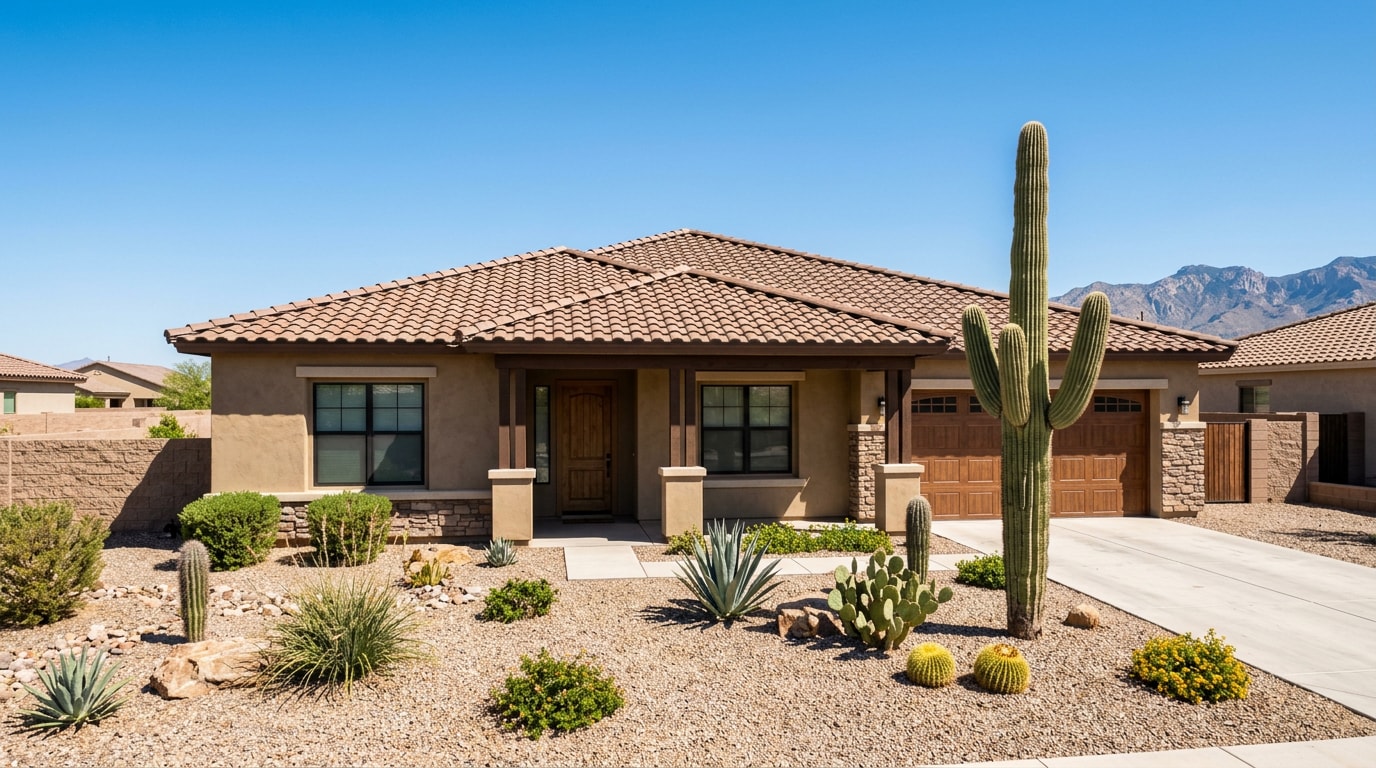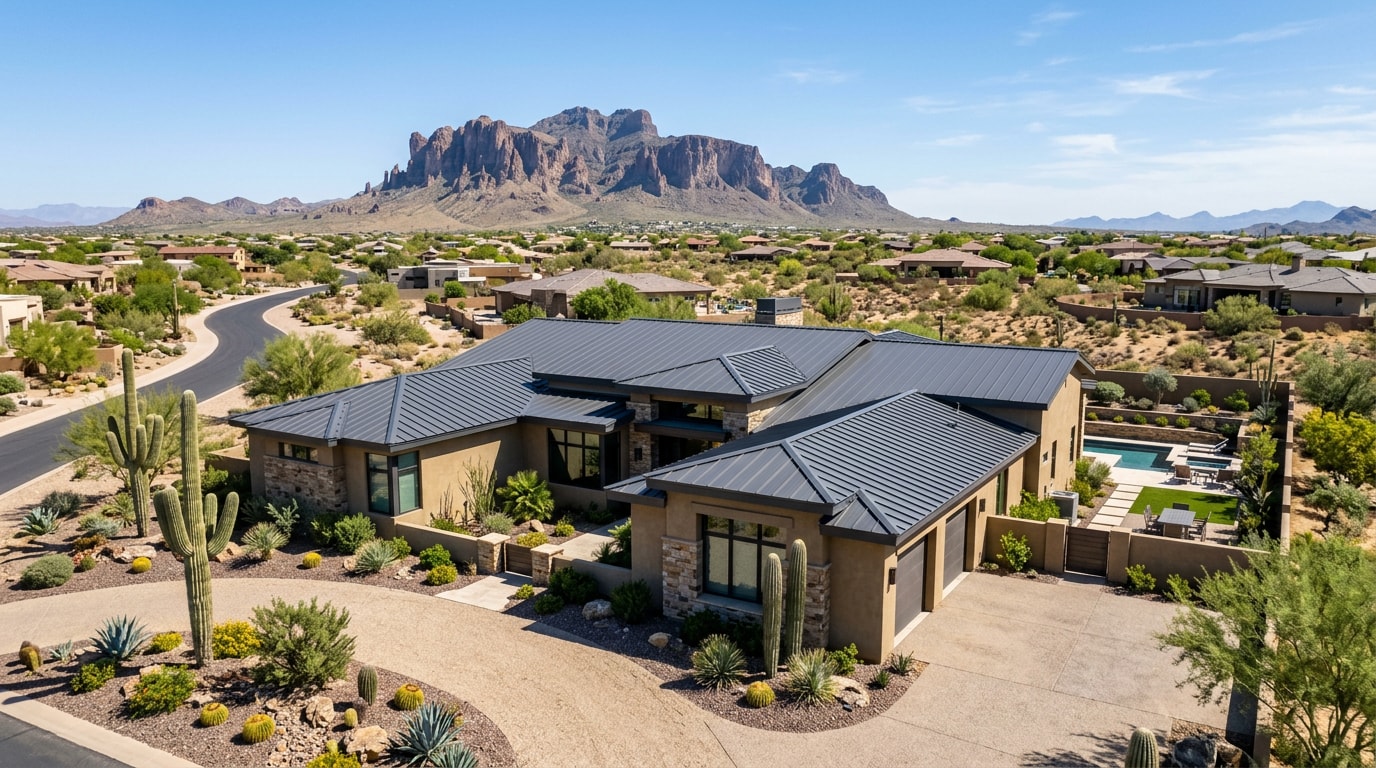
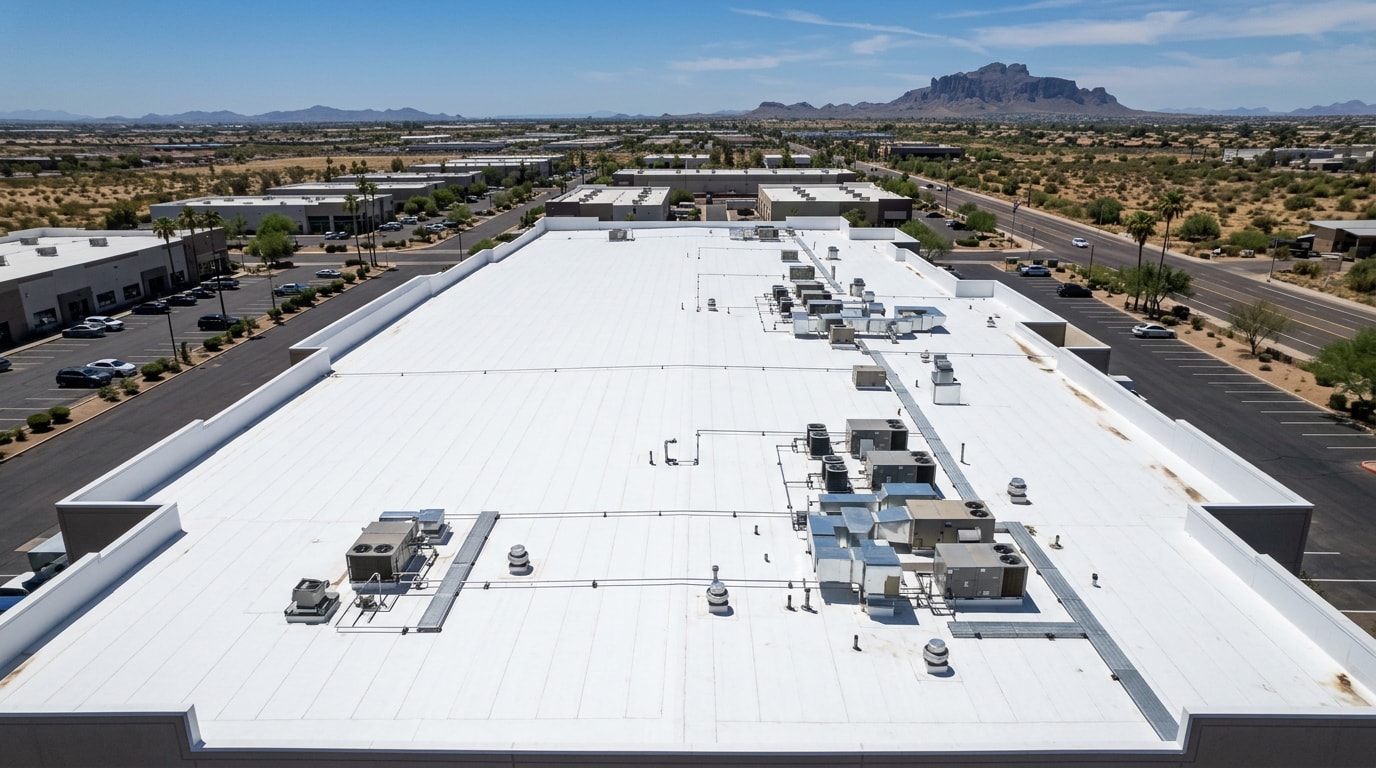
A TPO roof replacement in Mesa, AZ is usually the right call once a flat or low-slope membrane starts blistering, pooling water, or pushing your cooling bills higher every summer. This guide breaks down what TPO costs in 2026, the warning signs that mean you're overdue, Mesa's permit rules, and what our crews actually do on a replacement day. Read it before you call anyone for a quote.
Why TPO Is the Go-To Membrane for Mesa Roofs
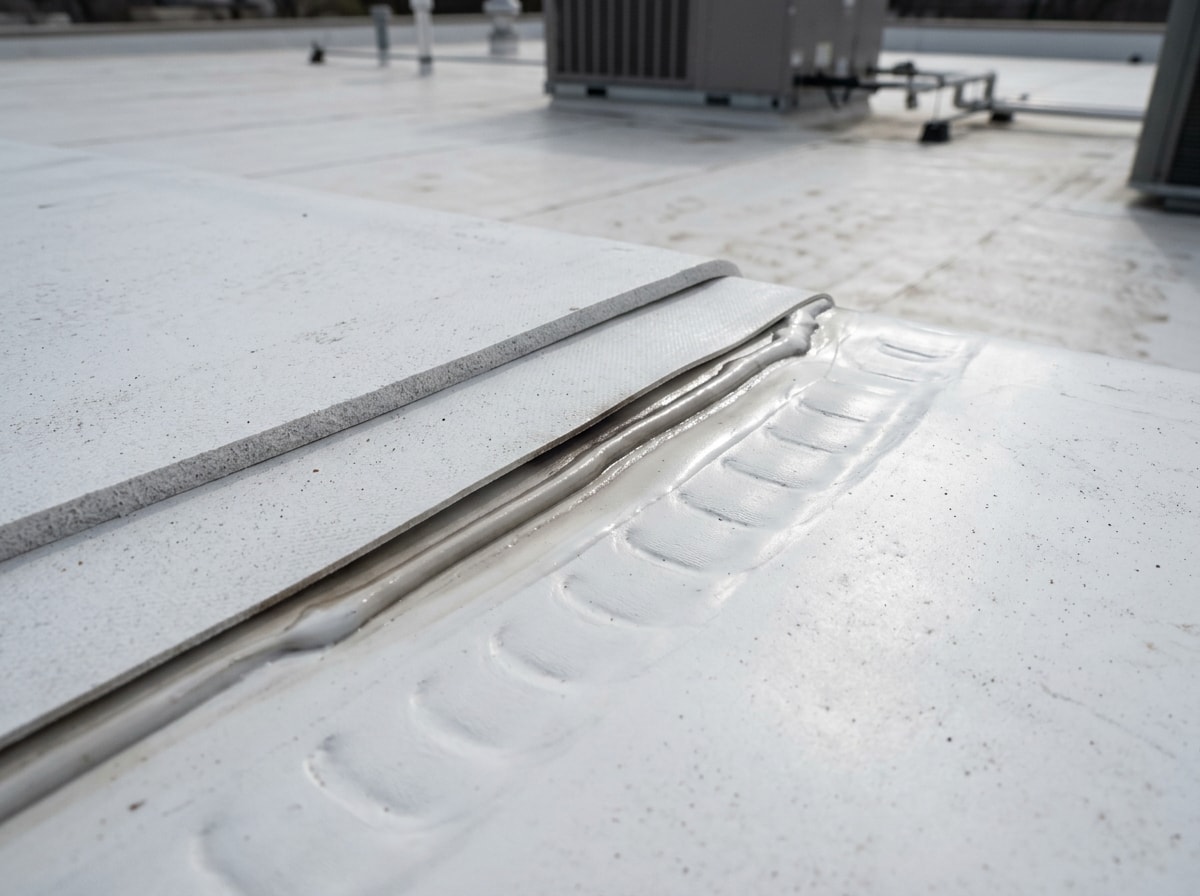
TPO is a single-ply membrane made from reinforced polymer sheets, rolled out in wide panels and sealed with heat-welded seams instead of glue or tape. That seam method, paired with a reflective white top layer, is what makes it hold up under Arizona's sun better than older flat-roof materials.
In Mesa's commercial corridors, warehouses along the US-60, retail centers, strip malls near Main Street, that combination of durability and lower cooling costs matters more than almost anywhere else in the Valley. Many of these properties eventually need commercial roofing systems that go beyond a simple patch job, and TPO is usually the system we spec first.
Core TPO benefits:
- High solar reflectivity that reduces rooftop surface temperature
- Lightweight installation that doesn't overload older roof decks
- Strong resistance to UV rays, chemicals, and ozone exposure
- Compatibility with rooftop HVAC units, common on Mesa's flat-roof commercial stock
- Heat-welded seams that stay watertight through repeated thermal cycling
How does it compare to the alternatives? EPDM, a black rubber membrane, absorbs more heat and typically relies on glued or taped seams rather than heat-welded ones, a disadvantage in Mesa's intense summers. PVC shares TPO's heat-welded seams and reflectivity but usually costs more upfront. For monsoon-prone, high-UV conditions, TPO generally offers the best balance of reflectivity, seam reliability, and price, which is why it shows up on more Mesa reroof quotes than any other flat membrane.
Where TPO Makes Sense
TPO suits a wide range of flat-roof buildings: office parks, shopping complexes, industrial storage facilities, multi-unit residential buildings, health clinics, schools, gyms, and a growing number of modern homes built with low-slope roof designs.
Essentially, anywhere a traditional shingle roof wouldn't work, TPO tends to fit. If your building also has areas prone to ponding or needs extra waterproofing at seams and penetrations, pairing TPO with commercial flat roof waterproofing closes those gaps before they become leaks.
Mesa TPO Roof Costs by System (2026)
Cost is usually the first real question once a building owner accepts that replacement is coming. Pricing depends heavily on membrane type, thickness, and attachment method, so here's a breakdown by system rather than a single average.
TPO roofing costs $5.00 to $10.00 per square foot installed in 2026, or roughly $500 to $1,000 per roofing square (100 square feet) , and thicker membranes sit at the higher end of that range because they carry longer warranties and better puncture resistance.
| System | Thickness | Commercial Cost/sq ft | Residential Cost/sq ft | Typical Lifespan |
|---|---|---|---|---|
| TPO | 45 mil | $4.50–$6.50 | $5.00–$7.25 | 15–20 years |
| TPO | 60 mil | $5.33–$8.24 | $6.00–$9.00 | 20–30 years |
| TPO | 80 mil | $7.00–$10.50 | $7.75–$11.25 | 25–30 years |
| EPDM | 60 mil | $4.25–$7.00 | $4.75–$7.75 | 15–25 years |
| PVC | 60 mil | $6.50–$9.75 | $7.25–$10.50 | 20–30 years |
Residential flat-roof replacement typically runs a bit higher per square foot than commercial work, mostly because smaller jobs carry proportionally higher labor and setup costs. In Mesa specifically, quotes also climb based on tear-off complexity, the condition of existing insulation, and permit fees, which is why an on-site estimate is far more reliable than any flat-rate number you find online. For a deeper breakdown by project size, see our flat roof replacement service page.
Does Mesa Require a Permit for a TPO Roof Replacement?
Yes, in most cases. The City of Mesa allows homeowners to replace their roof with the same roof material type or better, if they follow the manufacturer's instructions , but that's still done under a building permit, and if your home is historic, Planning approval is required before any tear-off begins.
Commercial TPO replacements typically require a plan review and a final inspection as well, especially when the scope includes new insulation or a change to the roof's attachment method. We pull the permit, schedule inspections, and hand you the closed-out paperwork so there's nothing left hanging after the crew leaves.
Warning Signs Your Roof Is Overdue
A roof in trouble usually shows itself through a handful of repeatable signs:
- Water pooling or slow drainage after rain
- Blistering or cracking in the membrane surface
- Rising indoor temperatures or unexplained spikes in energy bills
- Interior water stains on ceilings or walls
- Mold growth near seams, joints, or roof penetrations
Any one of these on its own is worth a closer look. TPO roof damage in particular tends to start small, a lifted seam edge or a hairline crack, before it turns into an active leak. If you're noticing any of these signs, it's a reasonable moment to ask whether you're past the point of patching. A professional roof inspection usually answers that question in under an hour.
Waiting Rarely Saves Money
Delayed roof replacement rarely saves money in the long run. What starts as a slow leak can lead to interior damage, weakened support structures, and in rare but serious cases, structural sag.
There's also the mold risk: trapped moisture behind drywall or insulation creates conditions mold thrives in, which affects indoor air quality long before it's visible. On top of that, a deteriorating membrane means poor insulation performance, so utility costs creep up month after month. ENERGY STAR qualified roof products reduce the amount of air conditioning needed in buildings, and can reduce energy bills by up to 50% , which is one reason a reflective replacement often pays part of itself back through lower summer cooling costs. Scheduling an inspection sooner rather than later is almost always the cheaper path, and roof maintenance between inspections stretches the life of whatever membrane you choose.
Our TPO Roof Installation Process
A Mesa TPO roof replacement generally follows a consistent sequence, from the first site visit through the final seam weld. Here's what that looks like in practice.
Step 1: Free Roof Inspection & Consultation. A thorough, no-cost inspection assesses existing roof condition, drainage, and structural integrity before any work is quoted. This step catches problems, rotted decking, inadequate slope, old wet insulation, before they become surprises mid-project. After the inspection, you'll get a transparent estimate outlining membrane options, thickness, and total cost. If you're ready to start that conversation, schedule a free inspection directly.
Step 2: Tear-Off and Deck Prep. The old membrane and any wet insulation come off down to a sound deck. This is also when we catch hidden deck damage that a surface inspection can't always see.
Step 3: Insulation and Membrane Placement. New insulation goes down to meet code R-value requirements, and TPO sheets are rolled out across the deck, then mechanically fastened or fully adhered depending on the building's design and wind exposure.
Step 4: Seam Welding. All seams are heat-welded to create a leak-proof finish rather than relying on adhesives or tape alone. This specification covers flexible sheet made from thermoplastic polyolefin (TPO) as the principal polymer, intended for use in single-ply roofing membranes exposed to the weather, and the sheet shall contain reinforcing fabrics or scrims , which is the baseline every TPO sheet we install is manufactured to meet.
Step 5: Flashing, Detail Work, and Final Walkthrough. Edges, curbs, and penetrations get flashed and sealed, then we walk the completed roof with you before closing out the permit.
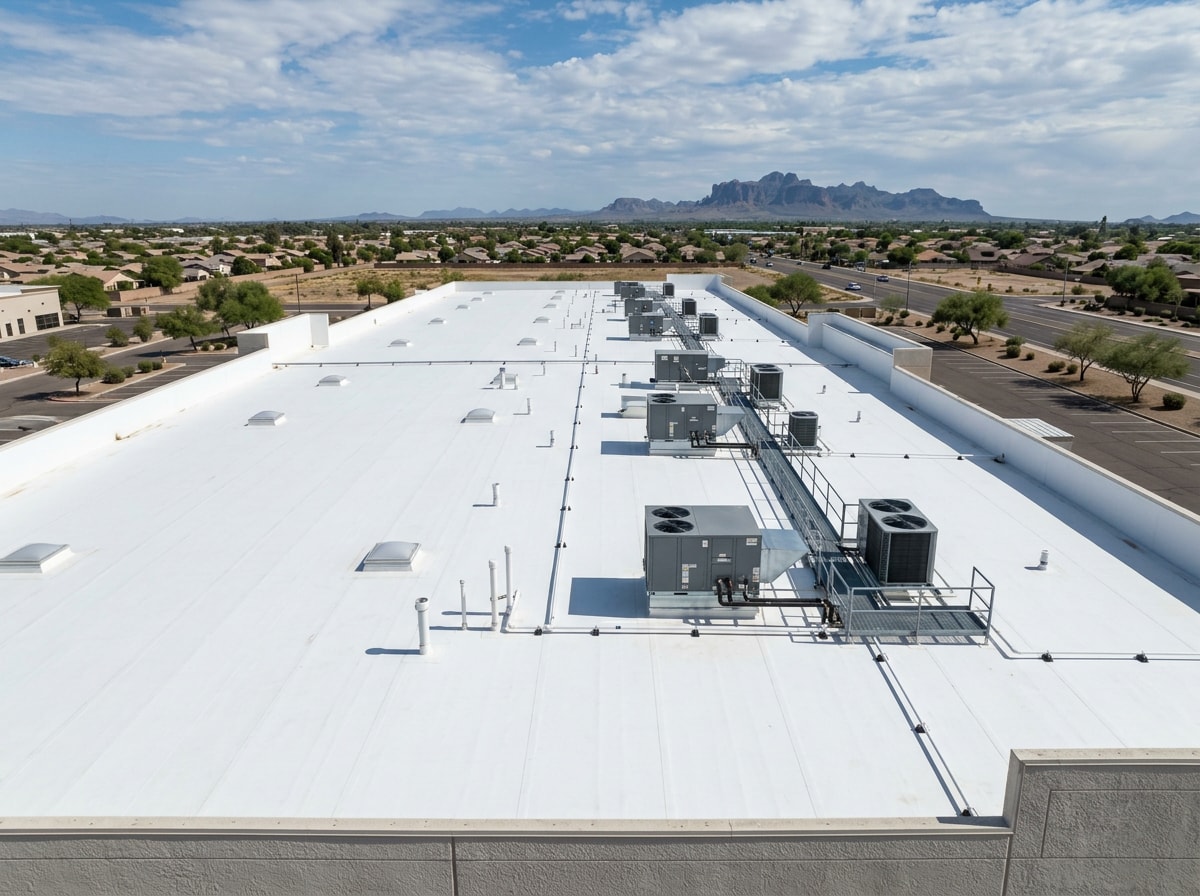
That seam-welding step matters more in Arizona than in milder climates. Mesa's roofs go through extreme daily thermal cycling, scorching afternoons followed by cooler nights, which stresses seams repeatedly over the roof's lifespan. On our own Mesa jobs, we've found that a properly heat-welded 60 mil TPO seam consistently outlasts taped or glued alternatives through multiple monsoon seasons, which is exactly why we don't offer adhesive-only seaming on flat-roof replacements. If your project also involves older rolled roofing or modified bitumen sections, our TPO membrane installation crews can transition those sections cleanly into the new system.
Not every TPO problem needs a full tear-off. If your membrane is newer and the damage is isolated to a seam or a puncture, TPO roof repair is often the more cost-effective fix. We'll tell you honestly which option fits during the inspection, not after you've already signed a contract.
For homeowners comparing flat-roof systems against sloped alternatives elsewhere in the East Valley, our residential roofing guide for Chandler covers material tradeoffs that apply across the region, not just one city.
Irish Roofing Company has served Mesa and the greater Phoenix Valley with roof inspections, replacements, and repairs since 2019, and our crews handle TPO, modified bitumen, and foam systems across the Mesa, AZ service area every week. You can see completed flat-roof work in our project gallery or start with the homepage for a full list of services.
FAQ
What is TPO roofing?
TPO stands for Thermoplastic Polyolefin, a single-ply roofing membrane used on flat and low-slope roofs. It's known for its durability, heat resistance, and energy efficiency, which is why it has become one of the most common commercial roofing materials in hot climates.
Do I need a permit for a TPO roof replacement in Mesa?
In almost every case, yes. Mesa requires a permit for roof replacement work, and commercial TPO jobs typically need a plan review plus a final inspection before the project closes out. We handle the permit application and inspections for you.
How long does a TPO roof replacement take in Mesa?
Most single-building commercial TPO replacements take two to five working days, depending on square footage, deck condition, and weather. Larger properties or jobs requiring full deck replacement can take longer.
What maintenance does a TPO roof require?
TPO maintenance is fairly light but still matters. Plan on annual inspections to catch minor wear, regular cleaning to clear debris that can block drainage, and prompt sealing of any small punctures or seam separations before they spread.
What happens if my TPO roof gets storm damage?
If a roof suffers damage from wind or heavy monsoon rain, options range from emergency repairs that stop leaks quickly to insurance claim assistance, up through full replacement if the damage is extensive. Mesa's monsoon season makes wind and water intrusion a real seasonal risk, so a fast response matters more than a perfect one.
How long does a TPO roof last in Arizona's heat?
Most Mesa TPO roofs last somewhere between 15 and 30 years, though the real number depends heavily on membrane thickness, installation quality, and ongoing UV exposure. A properly installed 60 mil membrane on a well-maintained roof tends to land toward the higher end of that range.
Is TPO roofing good for Arizona's climate?
Generally, yes. Its reflectivity and heat-welded seams suit intense sun and monsoon moisture well, but installation quality ends up mattering just as much as the material itself in extreme heat.
About the Author
This guide was written with input from John McClean, owner of Irish Roofing Company and a roofer since childhood on his family's farm in County Down, Ireland. Before founding Irish Roofing Company in 2019, John worked as a Senior Project Manager and later Vice President of commercial roofing, overseeing flat-roof and TPO installations across the Phoenix Valley. Questions about your own roof? Contact Irish Roofing Company for a free inspection.