Choosing the right metal roofing underlayment in Gilbert, AZ isn't a line item to rush through on a quote. It's the layer standing between your roof deck and triple-digit summer heat, sudden monsoon downpours, and years of thermal cycling. Get it wrong, and even a premium metal panel system can fail early from the inside out.
Why Metal Roofs Need Underlayment in Gilbert's Climate
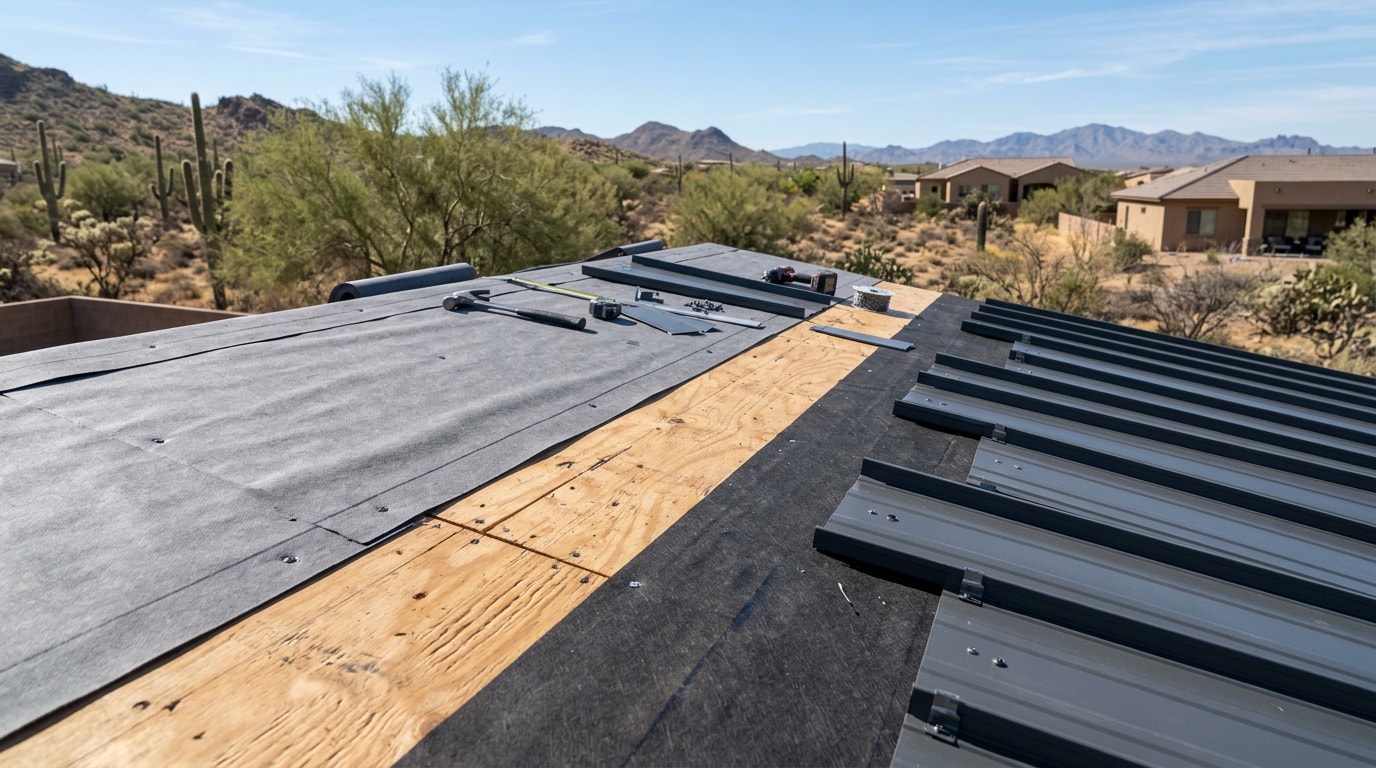
Underlayment is the water-resistant layer installed directly on the roof deck, beneath the metal panels themselves. Building codes and most manufacturer warranties treat it as a required part of the system, not an optional upgrade. In fact, the International Building Code requires an approved underlayment under metal roof panels and metal shingles as part of Section 1507.
Metal panels alone don't seal a roof. Wind-driven rain, condensation from temperature swings, and small installation gaps all need a secondary barrier to keep water out of the deck. In Gilbert, where summer roof surfaces regularly exceed 150°F and monsoon storms arrive fast, that moisture barrier does double duty: blocking bulk water during storms and managing condensation that forms as panels cool overnight.
When our crews pull old felt underlayment off Gilbert roofs after just a few summers under metal, it's often brittle and cracking along the nail line, which tells you everything about how the wrong material ages in this heat. Skipping proper roof deck protection isn't a corner worth cutting if you're planning a long-term roof replacement. If you're weighing underlayment options right now, our roof underlayment team can walk your specific roof and schedule a free inspection before you commit to a product.
Types of Metal Roofing Underlayment
Three material categories dominate the market, and each performs differently once it's sitting under hot metal panels in a desert climate. The sections below break down what each one is made of, where it shines, and where it tends to struggle once Gilbert's summer heat sets in.
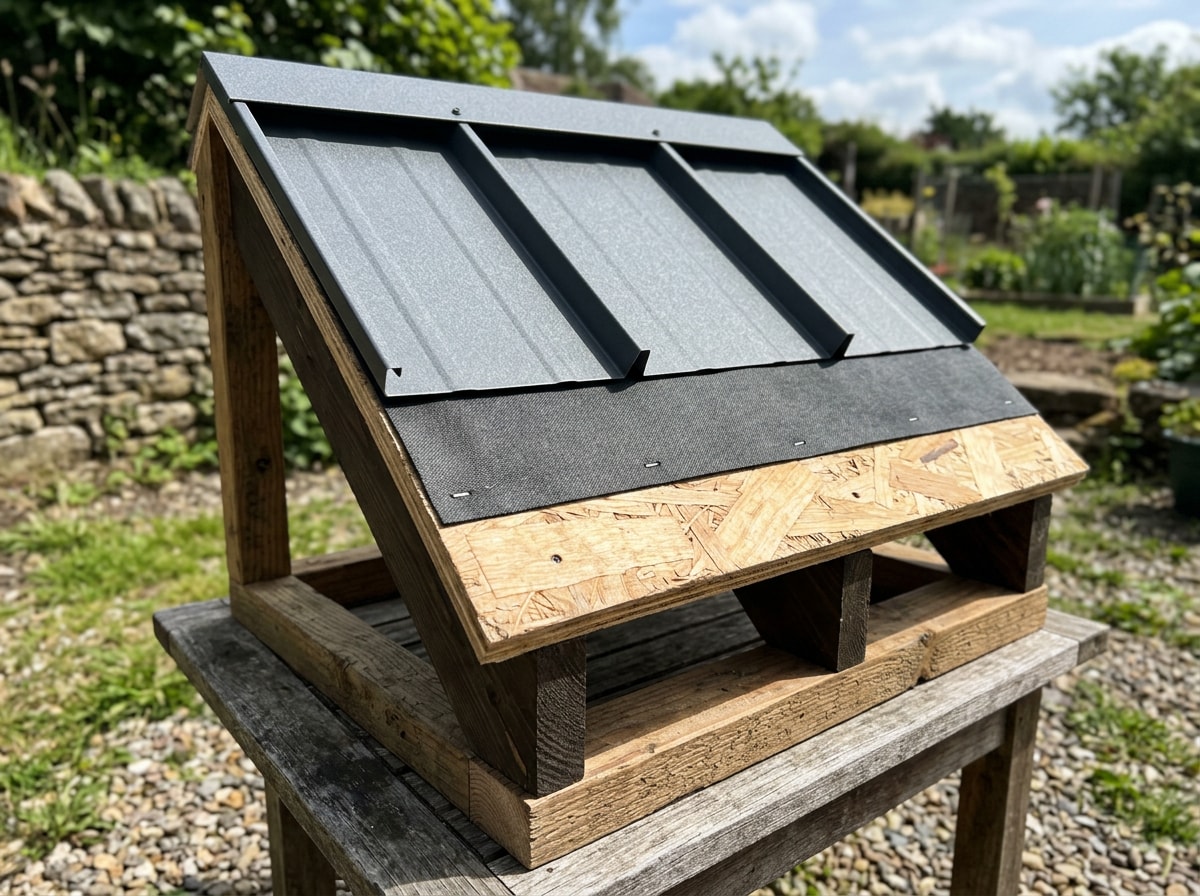
Felt (Asphalt-Saturated) Underlayment
Felt underlayment is a paper-based mat saturated with asphalt, sold in lightweight (15-lb) and heavier (30-lb) weights. It's the oldest roofing underlayment on the market and typically the cheapest, which is why it still shows up on tight-budget jobs.
The tradeoff is durability under heat. Asphalt-saturated felt was designed for shingle roofs with natural airflow, not the sustained heat buildup that happens under solid metal panels. It can soften, wrinkle, or become brittle faster than synthetic alternatives once panel-surface temperatures climb through a Gilbert summer. As a budget underlayment, it may still make sense for short-term or low-stakes projects, but it's rarely the right call under a metal roof meant to last decades.
Synthetic Underlayment for Metal Roofs
Synthetic underlayment, made from woven polyethylene or polypropylene, has become the modern standard for metal roofing. It's lighter than felt, resists tearing far better, and lies flat without the wrinkling that plagues older felt products, a real advantage during installation on a hot deck.
Within synthetic options, a high-temperature synthetic tier exists specifically for standing seam systems, where panel-to-deck heat transfer is more sustained and direct than with exposed-fastener panels. These products carry higher heat ratings and are built to resist the softening that can happen when standard synthetic underlayment sits against metal at peak summer temperatures for months at a time. One manufacturer's technical sheet for a premium synthetic underlayment lists tear-strength and heat tolerance ratings up to 240°F, which is the kind of spec worth comparing across brands.
For most Gilbert installs, synthetic underlayment sits in the middle of the cost range but earns its price through longer service life and fewer callbacks tied to heat damage.
Self-Adhering (Peel-and-Stick) Underlayment
Self-adhering membrane, often called peel-and-stick underlayment, bonds directly to the roof deck without separate fasteners, creating a fully sealed surface. It's typically reserved for the highest-risk areas of a roof rather than the full deck, since it costs more per square than felt or standard synthetic.
The usual application points include:
- Valleys, where water concentrates fastest
- Eaves, especially on homes with limited roof overhang
- Skylight curbs and chimney flashing transitions
- Panel-to-panel seams where a leak path can form
This category includes products marketed as ice-and-water shield, a name borrowed from cold-climate roofing but still relevant here. The self-sealing property around fastener penetrations matters just as much in a hot, monsoon-prone market as it does anywhere snow and ice are a concern. Used strategically at these transition points, peel-and-stick underlayment adds a level of protection that a single layer of synthetic across the whole deck can't match on its own.
How the Underlayment Types Compare
Here's a direct comparison across the three material categories, covering the factors that matter most for a metal roof in a hot climate.
| Underlayment Type | Heat Tolerance | Typical Lifespan | Cost Tier |
|---|---|---|---|
| Asphalt-saturated felt | Low | Shortest | Budget |
| Standard synthetic | Moderate to high | Mid-range | Mid |
| High-temperature synthetic | High | Longer | Mid-to-premium |
| Self-adhering/peel-and-stick | High (at application points) | Longest in targeted areas | Premium |
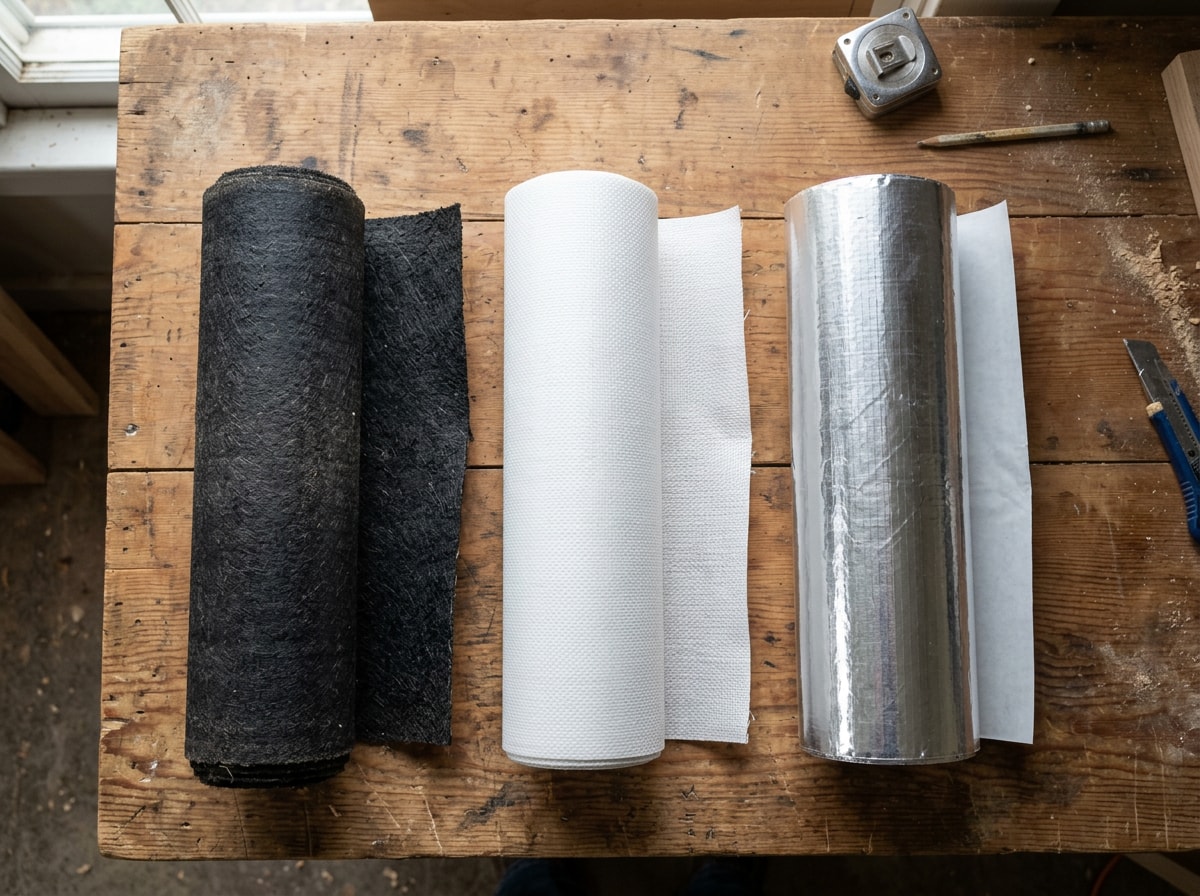
Felt vs. synthetic mostly comes down to heat tolerance and lifespan. Felt is cheaper upfront but tends to need earlier attention, while synthetic and self-adhering options cost more initially but hold up longer under sustained panel heat.
Heat Resistance and Hot-Climate Performance in Gilbert
Roof deck temperatures under metal panels can climb well past ambient air temperature during peak summer afternoons, since dark or standard-finish metal absorbs solar energy and transfers much of that heat directly to whatever sits beneath it. Standard synthetic underlayment is rated for a certain temperature ceiling, and sustained exposure above that threshold, not just a single hot day but weeks of repeated heat cycling, is what causes premature softening or brittleness over time.
A high-temperature synthetic rating addresses this sustained-exposure problem directly. It doesn't change how the material handles water; it changes how long the material holds its physical properties under the kind of heat load that's routine in Gilbert but unusual in milder climates where many underlayment products were originally tested.
Reflective or "cool-metal" panel finishes can reduce how much heat transfers downward in the first place, easing the burden on whatever underlayment sits beneath them. Even a reflective panel system still benefits from a heat-rated underlayment as a safety margin, since reflective coatings reduce heat absorption rather than eliminating it entirely. The EPA's ENERGY STAR roof product list is a useful reference for homeowners comparing reflective metal finishes before they pick an underlayment to pair with them. Homeowners in our Gilbert, AZ service area should weigh panel color and coating alongside underlayment rating, not instead of it.
What Metal Roofing Underlayment Costs in Gilbert
Pricing varies by material, roof complexity, and local labor rates, so treat these as general ranges rather than fixed quotes. Felt typically runs cheapest per square, standard synthetic sits in the middle, and self-adhering membrane costs the most per square foot of coverage.
Price per square also reflects installation speed. Synthetic rolls out faster and with less waste than felt, which can offset some of its higher material cost through reduced labor hours. Self-adhering membrane takes more time to apply correctly, part of why it's usually limited to high-risk areas rather than an entire deck.
Many Gilbert projects end up blending materials: standard or high-temperature synthetic across the main field of the roof, with self-adhering membrane reserved for valleys and penetrations. That combination balances upfront cost against long-term performance better than an all-premium or all-budget approach in most cases. A quick way to get real numbers for your roof is to request a free inspection and have a crew measure the actual deck and transition points before quoting a mix of materials.
Installation Best Practices That Protect the Investment
Material quality only matters if installation is done correctly. Roof deck preparation comes first. The deck needs to be clean, dry, and structurally sound before any underlayment goes down, since trapped moisture or debris under the membrane defeats its purpose.
Overlap requirements and fastener type both affect how well the underlayment resists wind and water intrusion:
- Horizontal and vertical seam overlaps, typically measured in inches
- Fastener type matched to the specific underlayment product
- Manufacturer-specified nailing or adhesive patterns
Wrinkling, insufficient overlap, or the wrong fastener for a given product can void manufacturer warranties and create early failure points, regardless of how good the underlayment itself is. The National Roofing Contractors Association publishes technical guidance on underlayment application that most manufacturer instructions reference directly. Getting this step right is also why professional roof installation tends to outperform DIY attempts on metal roofing projects. The margin for error is small, and mistakes are often invisible until a leak shows up years later.
Choosing the Right Underlayment for Your Project
There's no single best underlayment for every metal roof. The right choice depends on budget, roof design, and how much of the deck is exposed to direct heat versus valleys and penetrations.
- A straightforward retrofit on a budget might reasonably use standard synthetic across the field.
- A new standing seam build in Gilbert's heat generally calls for high-temperature synthetic as the baseline, with self-adhering membrane at transitions. If you're still comparing panel systems, our standing seam metal roofing buyer's guide breaks down how panel choice and underlayment work together.
- Roofs with heavy valley work, multiple penetrations, or complex flashing details benefit most from a hybrid approach layering self-adhering membrane into those high-risk zones.
Choosing roof underlayment ultimately comes down to matching the product's heat rating and lifespan to how long you expect the metal panels themselves to last. For a closer look at panel and material options, our metal roof installation page covers what pairs well with each underlayment tier, and the Irish Roofing Company homepage has an overview of every service we bring to a Gilbert metal roof project. Ready to move forward? Schedule a free inspection and we'll walk the roof with you before recommending a specific underlayment package.
FAQ
What is the best underlayment for a metal roof?
For most installations, high-temperature synthetic underlayment offers the best balance of heat resistance, durability, and cost. Self-adhering membrane should still be added at valleys, eaves, and penetrations for extra protection at those higher-risk points.
Is synthetic underlayment better than felt for metal roofs?
Generally, yes. Synthetic underlayment tolerates sustained heat better than asphalt-saturated felt, resists tearing during installation, and typically lasts longer under metal panels, especially in hot climates like Gilbert's.
Does metal roofing need underlayment?
Yes. Underlayment is required under most building codes and manufacturer warranties as a secondary moisture barrier, and IBC Section 1507 specifically lists metal roof panels and metal shingles among the coverings that require it.
Can you install metal roofing over old felt underlayment?
It's not recommended. Old felt may already be brittle, torn, or holding moisture, which defeats the purpose of a fresh moisture barrier. Most installers strip the deck back to bare wood and start with new underlayment rather than layering over aged felt.
What underlayment should I use for a standing seam metal roof?
High-temperature synthetic across the main field is the standard recommendation for standing seam systems, paired with self-adhering membrane at seams, valleys, and penetration points where sealing matters most.
Can underlayment make a metal roof quieter?
Thicker synthetic or self-adhering underlayment can add some sound dampening by absorbing vibration between the panel and deck. It won't eliminate rain or hail noise entirely, but it can noticeably reduce the drumming effect common with uninsulated metal roofs.
How much does metal roofing underlayment cost?
Cost depends on material choice, roof size, and how much self-adhering membrane is needed at valleys and penetrations versus standard synthetic across the field. Getting an on-site measurement is the only reliable way to price a specific roof, which is why we recommend a free inspection before budgeting a number.